
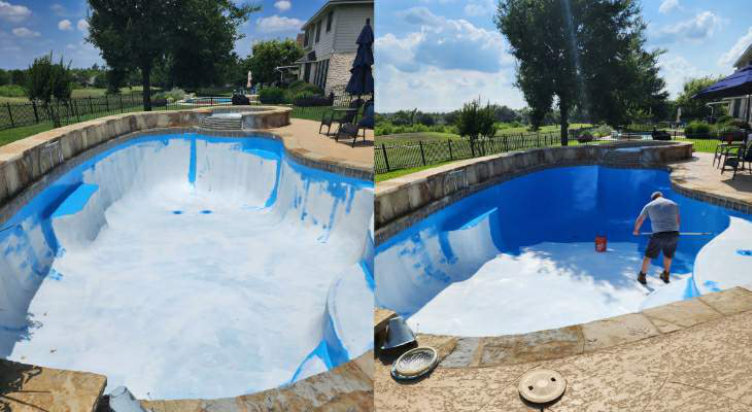
- Why I chose to paint instead of replaster
- Why epoxy beat rubber paint for this project
- What the videos and “pros” left out
- The correct order of operations if you choose to do it yourself
My regular readers know that I make part of my living telling the secrets the pros often prefer not to explain. Painting my own swimming pool became another one of those moments where construction logic mattered more than industry fear.
I had never painted a swimming pool before. I had, however, been a professional painter, and I have spent decades in construction learning that if you understand prep, sequence, and materials, many “specialty” jobs become less mysterious than people want you to believe.
That does not mean they become easy. It means they become manageable for someone willing to do the homework and the work.
Paint or replaster?
The stakes felt high from the beginning. If I got this wrong, the failure would not be cosmetic in the ordinary sense. A bad result could easily push me into a replaster job costing tens of thousands of dollars. That is not the sort of mistake you shrug off.
So I did what any serious owner should do first: I brought in professionals and let them look at the project. Several pool companies came out and bid the work. To a man, they discouraged repainting. They were convinced replastering was the only safe decision.
But after hearing them out and studying the condition of the pool myself, I disagreed.
The plaster had pock marks and age, but it did not have the sort of structural failure that would have forced my hand. I saw no meaningful cracks, fissures, or breaks suggesting the plaster itself had lost its fundamental integrity. My instincts, combined with what the bidders actually showed me onsite, led me to the same conclusion: the pool was a candidate for paint.
Too many people treat painting and replastering as though they are questions of fear. They are really questions of substrate condition.
Rubber or epoxy?
That decision came quickly. The only real advantage I saw in rubber paint was price, and that was not enough to win the argument.
Rubber paint does not last as long, does not offer the same durability, and limits what can be applied over it later. Epoxy, by contrast, promised a tougher finish and a longer-lasting result—provided I respected the preparation requirements and application process.
After researching multiple manufacturers and reading widely, I settled on Smart Seal epoxy and their rough primer system. I am not sentimental about primers. I am adamant about them. Never apply finish paint where a proper primer belongs and then act surprised when the coating underperforms.
The videos leave things out — including important things
At roughly $140 a gallon, pool epoxy is not the place for experimentation built on partial advice. That is one reason I find so much online DIY content frustrating. It shows enough to encourage the project but not enough to protect the viewer from avoidable mistakes.
One video I watched featured a couple painting a pool. They may very well do pool work professionally. But professionalism in one narrow lane does not always equal a complete understanding of coating behavior, jobsite sequencing, or finish control.
They gave advice I would not follow.
They cut in coping with a small roller. I do not recommend that. They skipped primer and painted directly to the plaster. I definitely do not recommend that. They mixed multiple cans together in a large bucket, which sounds efficient until you remember what catalyzed epoxy does once activated: it begins setting up immediately.
Epoxy does not care about your convenience. Once activated, the clock starts, whether you are ready or not.
What I would recommend instead
If you intend to paint your own pool, here is the order I would follow.
- Have a professional drain the pool and power wash it properly. Include a chlorine wash solution. Renting the pump and pressure washer yourself may sound economical, but the cost, trouble, and potential damage to your own equipment are often not worth it.
- Mask everything you do not want painted. Tile, returns, drains, inlets, fittings, and other non-painted surfaces should be carefully protected with blue masking tape before primer ever starts.
- Cut in with a proper brush, not a roller. Use a 2½-inch quality cut-in brush around coping, corners, drains, fittings, and tight transitions. Epoxy is too thick and too quick-setting to control well at edges with a small roller.
- Mix epoxy one gallon at a time. Paint and activator should be combined in manageable quantities. Do not batch multiple gallons into one large bucket. The bigger the activated volume, the faster it begins thickening and working against you. That leads to globs, sags, uneven application, and waste.
- Use quality tools and expect to sacrifice them. Cheap contractor-pack brushes and rollers may save a few dollars at the register but can cost you in finish quality. Good roller covers and brushes matter here. You will likely discard much of what you use on both the primer and final coat.
- Let the primer dry fully. I recommend overnight at minimum under good conditions.
- Give the final epoxy coat real cure time. Seven days minimum is sensible. If the weather is cold, humid, or unsettled, give it longer.
What mattered most
The product mattered. The preparation mattered more.
That is the pattern in nearly every part of construction. People become fascinated with finish materials, specialty labels, and branded systems, but the success of the job almost always comes down to surface condition, application control, and respecting the chemistry and sequence of the work.
Pool epoxy is no different. You cannot bully it into behaving. You have to work with it on its terms.
What this project reminded me of
It reminded me that many trades and many industries guard their mystique with selective information. Some of that secrecy is intentional. Some of it simply comes from people repeating what they were taught without fully understanding why it works when it does—or fails when it does not.
But if you apply the fundamentals of construction thinking to almost any project—sound prep, right materials, proper sequence, enough patience, and a willingness to reject bad advice—you improve your odds dramatically.
That does not mean every homeowner should paint his own pool. It does mean a homeowner should think more critically before accepting either fear-based selling or half-explained DIY shortcuts.
The bottom line
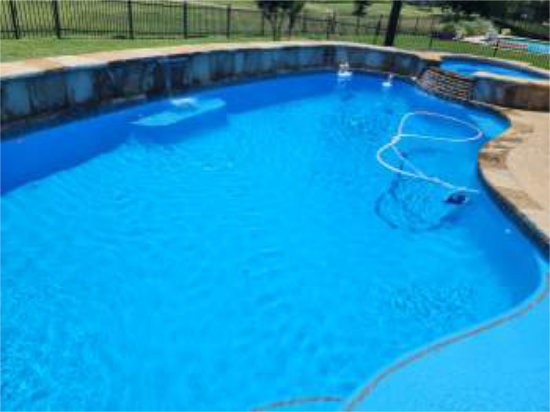
I painted my own pool, and I would do it again under the right conditions. I would not do it casually, and I would never do it without studying the substrate, understanding the coating system, and planning the application in detail.
This is not a “weekend warrior” job in the careless sense. It is a legitimate coating project with real consequences if mishandled. But if the plaster is still fundamentally sound and the process is respected, painting can be a rational alternative to replastering.
The difference between a successful DIY pool paint job and an expensive failure is not courage. It is preparation, judgment, and refusing to trust incomplete advice.