
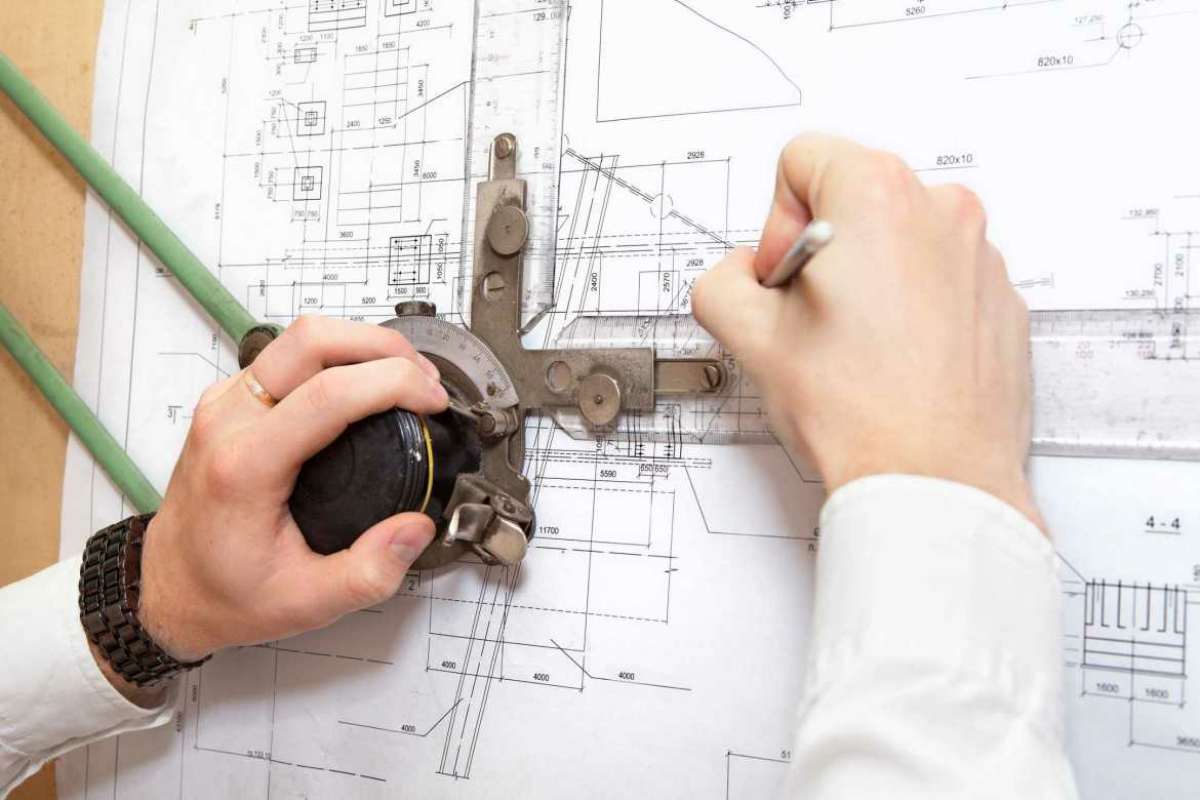
The design drawing is Exhibit A in any legal proceeding involving your project.
A contract can have the word count of War and Peace and still fail to fully describe the work the client expects and is paying for. The drawing is the final word. It eliminates confusion. It conveys the client’s vision in a way that a builder can price, build, and be held accountable to.
Without a final drawing, the project lives in conversation, assumptions, and hopeful interpretation. That is not enough for something as important or expensive as a remodel.
A good drawing is not decoration. It is the clearest statement of scope, intent, and expectation that exists in the project.
Why do you need a drawing?
The drawing becomes the cornerstone of communication between client and builder. It tells the builder exactly what is being asked for. It tells the client exactly what is being priced. And when the job is underway, it becomes the reference point everyone can return to when questions arise.
If you seek bids without a final drawing, or worse, start the project without one, you never truly know what you are going to get until it is built. At that point, your options are limited and expensive.
Your project is too important to leave to chance.
Why some builders fear drawings
Many remodelers approach construction drawings with fear and dread, though they may never say it that way. The relationship between the builder and the homeowner is often built on the builder’s credibility and the homeowner’s trust in his knowledge. A real drawing can challenge that dynamic. It introduces another authority into the room.
For inexperienced builders, that can be uncomfortable. Their promises may be undermined by the advice, precision, and authority of an architect or certified design professional. That is one reason many novice contractors prefer to work without detailed plans. Ambiguity protects them.
It does not protect the client.
In a market full of inexperienced contractors, one of the homeowner’s best safeguards is a competent design professional and a complete drawing package.
Architects with real-world building knowledge are rare
That said, there is a pitfall in trusting the entire project to the architect or designer without involving the builder early enough. A beautiful design can do real damage to a fixed budget if no one is helping keep the design tethered to cost reality.
That is why I always recommend selecting your builder before you get too far into the architectural process. A competent builder understands material costs, labor costs, sequencing, construction realities, and where the budget is likely to land. That insight should help shape the drawing before the drawing outruns the money.
Architects design. Builders build. Unless they are truly part of a functioning design-build operation, they do not live in the same daily cost environment.
The best design process is not architect first, builder later. The best process is builder involved early enough to help protect the budget while the design is still flexible.
Many “design build” firms are not what they sound like
Most firms that claim to be design-build merely subcontract your design work for a fee or on a per-square-foot basis. The relationship between the client and the designer becomes more vendor-to-client than builder-to-subcontractor. The builder often turns the client over to the designer and disappears for weeks or months until the plans come back completed.
That is not real integration. That is outsourcing with better marketing language.
When that happens, the plans may be finished, but the builder has not been actively steering the design toward a buildable and budget-aware result.
Architects and designers usually do not know current material and labor costs
This is not a criticism of architects. It is simply a distinction of role. Their expertise is design, structure, code, and documentation. Their job is not to price the project the way a builder prices the project.
And when the builder is weak technically, the situation gets even worse. A builder who depends on his trades to explain the job to him is already in a dangerous position. If that same builder is handed a drawing package he does not fully understand, the client is effectively trusting a chain of interpretation rather than a chain of competence.
The subcontractor does not have a primary relationship with the homeowner. He is not thinking about the entire project the way the client is. He is thinking about his scope and his progression draws. That is why it is dangerous to allow trades to “explain” the project to a weak builder. The homeowner ends up with layered dependency rather than leadership.
A competent builder should have the experience, training, and technical literacy to oversee every phase of the build. That is his job.
A drawing protects against controllable job creep
The most important job of any builder is to minimize job creep.
Job creep is any change that causes an increase in cost. Some of it is unavoidable. Material costs fluctuate. Labor rates shift. Hidden conditions appear. That is part of building. Competent builders know this and account for it.
But the most common form of controllable job creep often comes from the homeowner making changes during design or from the architect and homeowner meeting without meaningful builder involvement. In the design room, an extra line or two on a drawing can look harmless. In the field, those lines can translate into thousands of dollars.
A hallway widens. A beam moves. A cabinet run changes. A door becomes a specialty door. A finish upgrade becomes three finish upgrades. On paper it can all seem slight. In cost, it is not.
The builder should be there while the design is still movable
If the homeowner wants to upgrade all the interior doors to a more expensive style, for example, that added cost does not have to become a budget crisis if the builder is involved early. The builder can help streamline another part of the design to make room for that preference before the drawings are finalized.
That is the value of competent involvement during the design phase. It is not resistance to good ideas. It is protection against blind cost drift.
The drawing should become the project’s clear reference document — but the builder should help shape that document before it hardens into something the client cannot comfortably afford.
A contract cannot do what a drawing does
A written contract matters. It establishes terms, responsibilities, payment structure, timing, and remedies. But no contract, however detailed, can fully describe what the finished project is supposed to look like and how the many parts relate to one another in space.
A single well-developed drawing can do that far more clearly.
It shows where the wall is. Where the beam is. What the cabinet layout is. What the opening sizes are. How the room functions. What the builder is actually bidding and what the client is actually buying.
That is why the drawing is Exhibit A.
A drawing is the most precise form of communication in a remodeling project. If you want fewer surprises, better bids, tighter scope control, and a clearer result, do not build without one.